
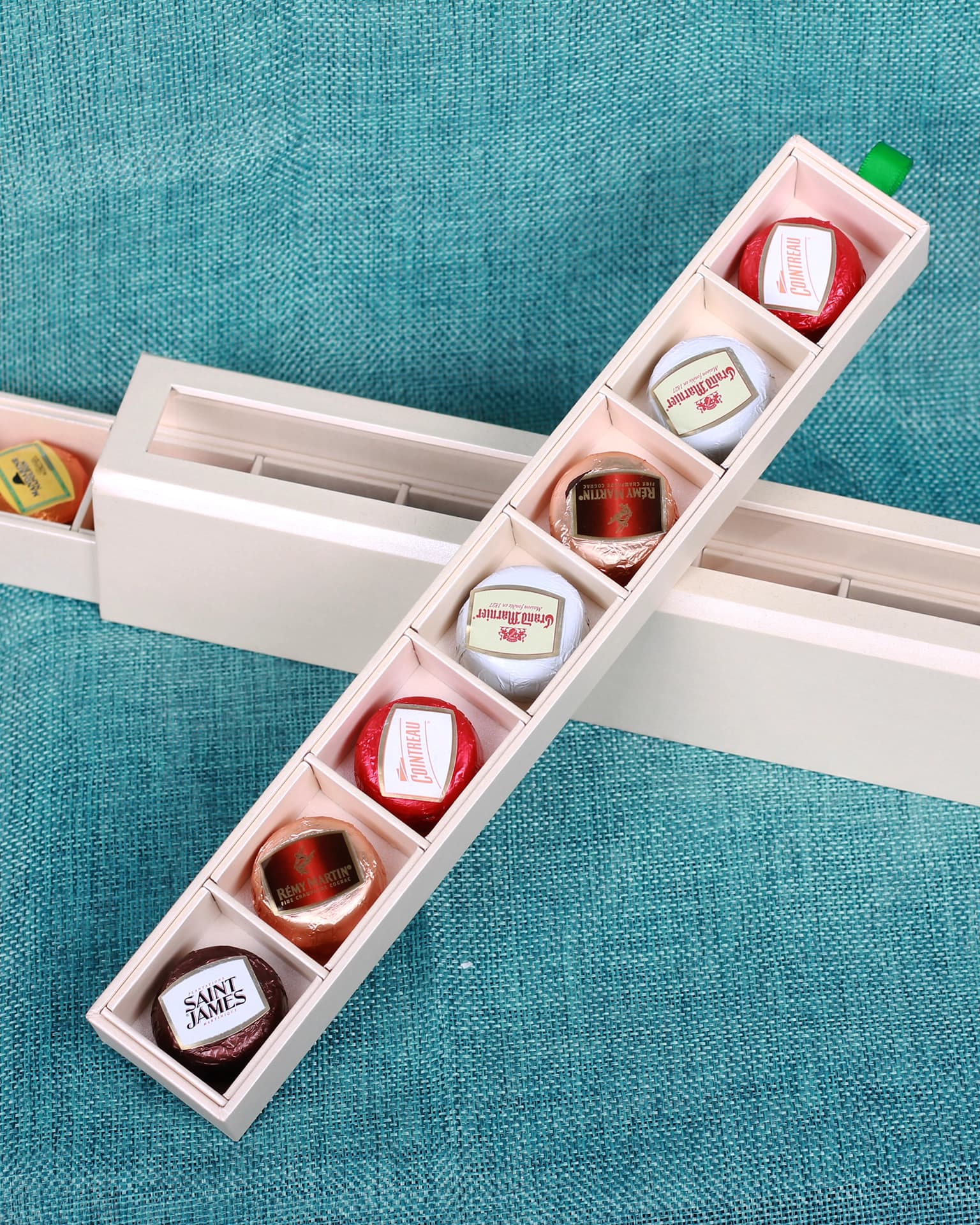
How the Custom Packaging Sampling Workflow Usually Works
Sampling is where abstract packaging ideas become something a buyer can actually evaluate. A good sampling workflow reduces approval friction, reveals structural issues earlier, and helps prevent expensive mistakes in mass production.
Why This Matters
- Sampling lets teams review structure, finish, proportions, and product fit before production starts.
- It reduces the chance of approving a concept that looks good visually but fails in physical use.
- A faster sampling loop helps protect launch timing and internal approval schedules.
- Sampling also makes supplier communication more concrete and easier to align.
The Main Things Buyers Usually Need to Understand Earlier
Learn how a custom packaging sampling workflow typically works, from project brief and structure discussion to sample approval, revision control, and readiness for mass production.
Get a project-specific structure and sampling recommendation
Share the product dimensions, quantity, destination, finish direction, and launch timing. Unknown details can be clarified during the review.
Problems That Usually Slow Packaging Decisions Down
Submitting an incomplete project brief and expecting a fully accurate sample direction.
Approving a sample based only on appearance without checking fit, assembly, or insert behavior.
Giving vague revision feedback instead of clear, specific changes.
Treating the sample as decoration only instead of a real production decision tool.
Useful Next Steps If You Want to Go Deeper
Rapid sampling capability
See how BELLET approaches faster sample cycles for suitable projects.
How to choose a packaging manufacturer
Understand where sampling responsiveness fits into supplier evaluation.
Start a sample-oriented inquiry
Share product details and references to move into a more practical sampling discussion.
Questions Buyers Commonly Ask Around This Topic
These answers are written to make the buying process clearer before a project moves into sampling or quotation.
Product dimensions, quantity, packaging style references, intended market, insert needs, finish expectations, and any existing artwork or dieline information all help make the sample direction more accurate.
A physical sample helps buyers review structure, material feel, insert fit, and opening experience in a way flat mockups or verbal descriptions cannot fully replace.
BELLET can prepare a handmade white structural sample in 3 business days based on the customer’s requested structure. Printed samples generally take 5–7 business days; final processes, accessories and timing are confirmed for the project.
Want guidance applied to your own packaging project instead of just general reading?
Send your product type, dimensions, quantity, timing, and preferred packaging direction. We can recommend a more practical next step based on your actual use case.