
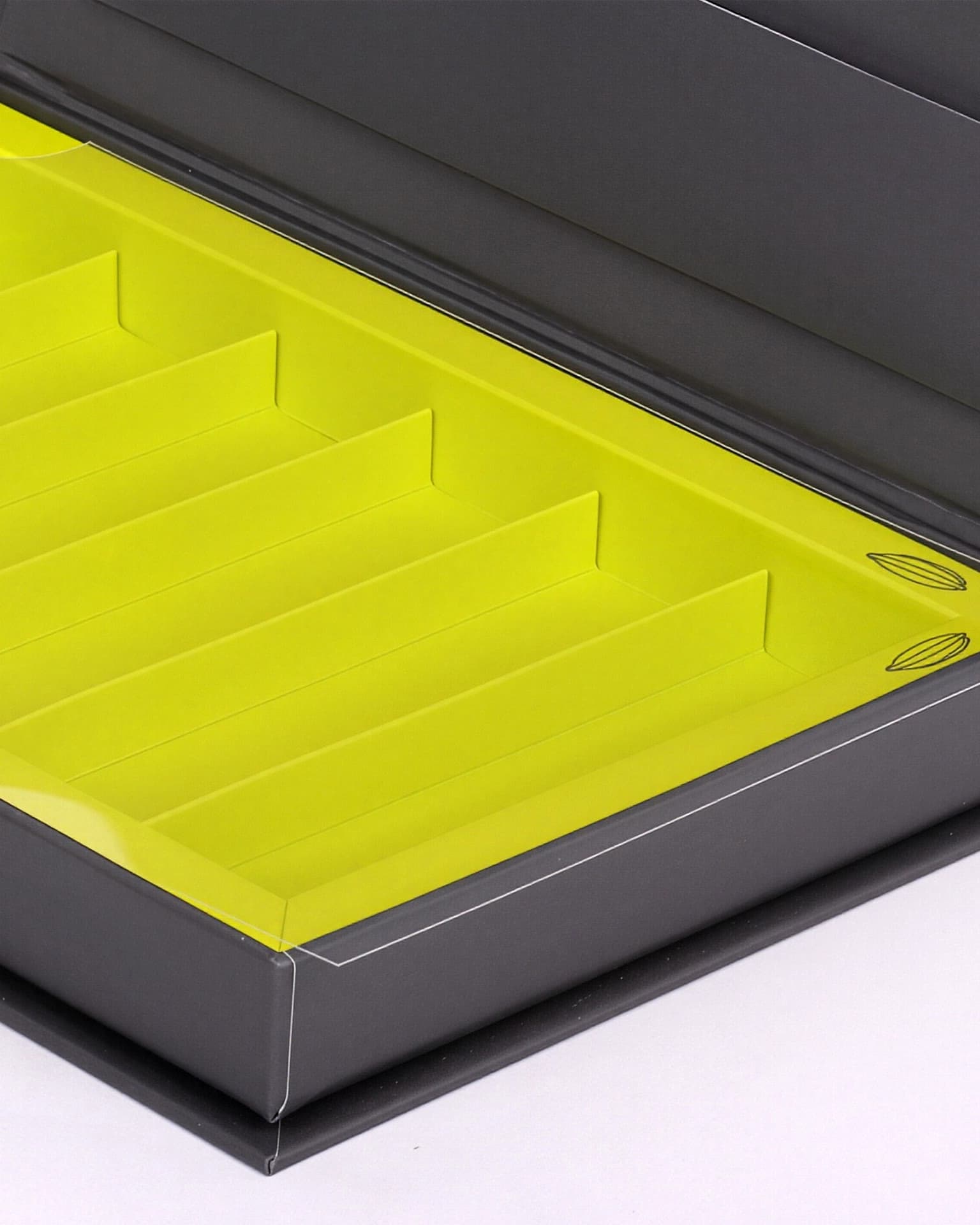
How to Choose the Right Box Structure by Use Case guide hero image for premium packaging decision support by Bellet Packaging
Buyer Guide

How to Choose the Right Box Structure by Use Case

Different box structures solve different commercial problems. A rigid box may strengthen perceived value, a magnetic box may improve the opening experience, and a foldable box may better balance premium feel with shipping efficiency.

Structure-fit guidanceUse-case drivenBuyer decision clarity
Expert Author
Jesse

Founder & Marketing Director

Reviewed and updated 2026-10-08

LinkedIn profile
Bellet-verified sourcing guidance for custom luxury packaging buyers.
Quick Answer

Choose the box structure by the job it must do: rigid boxes prioritize presentation and structure, magnetic boxes add a deliberate opening experience, drawer boxes create a slide-out reveal, foldable boxes reduce storage and freight volume, and paper tubes suit selected cylindrical presentations. Confirm the final choice with a physical sample and the real product inside.

Why This Matters

Why This Matters

  • Structure affects first-touch quality, protection, logistics, and unboxing experience.
  • The wrong structure can create avoidable cost or weaken brand presentation.
  • Choosing by use case helps buyers avoid overly generic packaging decisions.
  • Structure choice often influences sampling complexity and lead time as well.
Key Takeaways

The Main Things Buyers Usually Need to Understand Earlier

Learn how buyers can choose the right packaging box structure based on product type, gifting needs, display goals, logistics pressure, insert requirements, and premium presentation expectations.

Rigid boxes are strong for premium perception, gifting, and higher-end presentation.
Magnetic closure boxes suit launch kits, premium gifting, and deliberate reveal moments.
Drawer boxes work well when tactile opening and insert-led reveal matter.
Foldable boxes are useful when storage and shipping efficiency must coexist with premium feel.
Apply this guide to your brief

Share the product size, quantity, structure direction, and timing you already know. The remaining details can be clarified during the review.

Discuss the right structure for your project

Structure Comparison by Buying Priority

Start with the commercial priority, then narrow the finish and insert. The comparison below is a decision aid, not a substitute for sample testing.

StructureStrongest fitMain trade-offConfirm in the sample
Rigid setup boxPremium presentation and structural feelHigher storage and freight volumeCorner quality, wrap, fit, and insert
Magnetic closure boxGift sets, launches, and deliberate openingClosure and board design affect cost and feelClosure force, flap alignment, and opening motion
Drawer boxJewelry, accessories, and tactile revealTray movement must remain controlledPull detail, sleeve friction, and insert fit
Foldable premium boxPremium presentation with logistics efficiencyAssembly and corner behavior need testingSetup speed, corner stability, and closure
Paper tubeDistinctive cylindrical shelf presentationNot suitable for every product or insertLid fit, seam, label area, and product stability

Compare Cost Drivers and Shipping Volume

Compare board and wrap choices, closure components, insert complexity, print and finish setup, and assembly requirements for the same product and quantity. A foldable structure may reduce packed volume before assembly, but does not guarantee a lower total cost or a fixed percentage saving.

Estimate shipping volume from the confirmed outer shipping-carton dimensions and carton count with the existing CBM guide and calculator. Product capacity or box appearance cannot determine the shipment volume; packing, assembly, destination, and freight terms need separate confirmation.

A Five-Step Decision Framework

  • Measure the product, accessories, and required clearance before selecting a box.
  • Define whether protection, gifting, retail display, PR presentation, or shipping efficiency is the first priority.
  • Choose the insert concept together with the outer structure, not afterward.
  • Compare landed-volume implications before approving a non-foldable format.
  • Test the real product in a physical sample before production approval.
Apply the guide to your product

Get a project-specific structure and sampling recommendation

Share the product dimensions, quantity, destination, finish direction, and launch timing. Unknown details can be clarified during the review.

Discuss the right structure for your project
Guide FAQ

Questions Buyers Commonly Ask Around This Topic

These answers are written to make the buying process clearer before a project moves into sampling or quotation.

Buyers usually need to consider product dimensions, protection needs, desired opening experience, insert requirements, shipping efficiency, and how premium the packaging should feel in real use.

Want guidance applied to your own packaging project instead of just general reading?

Send your product type, dimensions, quantity, timing, and preferred packaging direction. We can recommend a more practical next step based on your actual use case.

Projects may start from 500 unitsSampling as fast as 3 business daysFinal terms depend on the brief