Paper tubes start from 2,000 units. Fit and sample scope are confirmed for your project.
Existing BELLET gallery samples. Format reference only; no 30ml or 50ml bottle fit is established by this photo.
By BELLET Packaging · Updated 2026-10-16
Why the fit review matters
Two serum bottles with the same capacity can have different shoulders, caps, bases, and overall heights. One tube specification may not suit both.
An insert and lid occupy part of the interior. Comparing only the bottle height with the tube's outside height can hide an interference problem.
A complete brief helps a purchasing team compare quotations on the same structure and sample scope rather than on quantity alone.
Measure the Bottle Assembly, Not Its Capacity
For paper tube packaging for 30ml serum bottles or custom paper tubes for 50ml dropper bottles, begin with an actual assembled product or a current supplier drawing. Record the widest outside diameter, including any shoulder, base, cap, or decorative feature that projects beyond the body. State the measurement unit and identify the drawing or bottle version.
Measure overall height from the supporting base to the highest point with the cap and dropper fitted. A removable cap measured separately is not a reliable substitute. Record filled weight and whether a label, seal, sleeve, or protective accessory will be present during packing. If several bottle suppliers are under consideration, keep separate records until the final bottle is approved.
Send photographs alongside the measurements: a side view, a top view, and the closure are useful references. A ruler in a photograph helps explain the brief, but a perspective image should not replace a measured drawing or physical fit check.
Generic measurement principle, not a bottle specification. Measure the widest assembled feature and the full base-to-dropper height; no dimensions or tolerances are prescribed.
Bottle Measurement and Procurement Record
Complete one record per SKU. Leave an unknown field marked 'to confirm'; do not substitute a nominal capacity or copy a dimension from another bottle.
Whether one packaging structure can serve multiple SKUs
Maximum outside diameter
Widest assembled feature, with unit
Tube internal diameter, clearance, and insert envelope
Overall assembled height
Base to highest cap/dropper point
Usable height after lid and insert space are considered
Filled weight and fragility
Packed product weight and vulnerable features
Support points and suitable sample or transport review
Accessories and removal
Accessory dimensions, arrangement, desired lift-out direction
Finger access, retention, and opening sequence
Quantity and finish
Quantity per SKU/artwork, finish references, destination, target date
MOQ, feasibility, sample scope, costs, and schedule
Translate Measurements into Internal Diameter and Usable Height
The internal diameter is the space available inside the tube, not the outside diameter of the finished pack. It needs to work with the complete product and the chosen insert or lining. Ask the structural reviewer to distinguish the bottle envelope, insert envelope, and proposed tube dimensions on the drawing. Do not add a universal clearance or treat a nominal tube size as an approved fit.
Usable height is the interior space available to the packed assembly once the base, insert, and closing arrangement are considered. A bottle can fit inside an open tube and still prevent the lid from seating correctly. Check the fully closed sample, including any headspace needed around a dropper bulb or cap.
Keep tolerances and acceptance criteria with the approved project specification. A sample review should establish whether the bottle moves, contacts the closure, or becomes difficult to remove. It does not by itself establish a transport performance rating or prove that every future bottle variant will fit.
Schematic relationship only. This is not an approved 30ml/50ml standard structure. Confirm lid engagement, bottle support, insert envelope and closure clearance on the project drawing and sample.
Compare Inserts by Support and Access
For cosmetic paper tube packaging with inserts, start by identifying where the bottle should be supported and which areas should remain clear. BELLET's existing tube information describes foam or flocked directions; the paper tube solution page also describes paper-based inserts depending on the product. Specific material grades, availability, and suitability still need confirmation for the requested tube.
EVA is a material option to ask about, not an interchangeable name for every foam insert or a verified stock specification for this project. Do not infer cushioning performance, recyclability, chemical compatibility, or direct-contact suitability from a material label. Compare relevant samples with the same bottle and intended removal method.
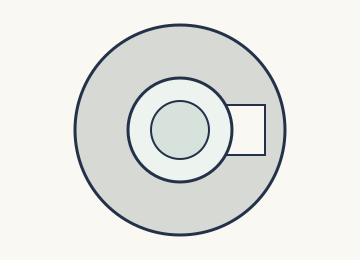
Generic schematic
Foam Insert
A shaped support around the bottle; foam type is project-specific.
Buyer check: Check support points, movement and finger access.
Manufacturer confirmation: Confirm material, grade, dimensions and availability. EVA only if specified.
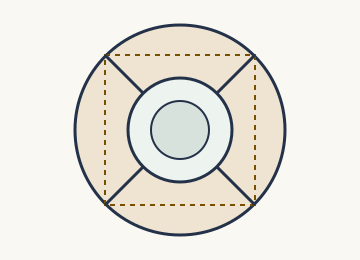
Generic schematic
Paperboard Insert
A folded paper-based support concept around the bottle.
Buyer check: Check seating, assembly and lift-out access with the filled bottle.
Manufacturer confirmation: Confirm board choice, construction and retention. No environmental claim is implied.
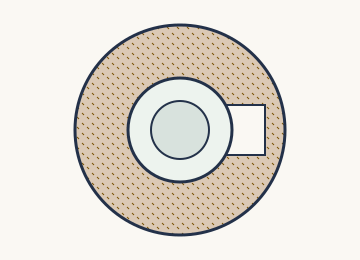
Generic schematic
Flocked Insert
A surface lining over a separately specified support structure.
Buyer check: Check surface contact, removal and the support underneath.
Manufacturer confirmation: Confirm lining, underlying construction and relevant material documents.
Insert direction
What to compare in the sample
What must be confirmed
Foam; EVA only if confirmed
Support location, movement, neck clearance, finger access
Actual foam type/grade, dimensions, finish, and project availability
Paper-based structure
Folded support, bottle seating, assembly, and lift-out access
Construction, board choice, retention, and suitability for the filled weight
Flocked or lined direction
Surface contact, appearance, removal, and underlying support
Lining material, support construction, and any applicable material documents
Review the Lid and Opening Sequence Together
A lid affects the closed pack as well as the first opening. Review the intended reveal, how far the product sits below the opening, and whether the buyer can grasp the bottle without pulling on its dropper. Accessories should not obstruct the lid or cover an area that needs to remain accessible.
The existing product page lists metal or clear lid directions for discussion. Their availability and fit depend on the chosen tube structure; do not assume every lid combines with every size or finish. Approve the closing behavior with the relevant sample rather than specifying a generic tightness or fixed overlap.
Existing gallery example showing a separate lid and tube opening. Material, closing behavior and fit for your bottle require confirmation; this photo does not establish metal or clear lid specifications.
Align MOQ, Sampling, and Quotation Scope
Low MOQ cosmetic paper tube packaging requires a specific project review. BELLET paper tube packaging starts from 2,000 units. Tube dimensions, lid, insert, material and finish are confirmed against the project brief. Supply quantity per SKU and explain whether dimensions, artwork, inserts, and finishes differ.
Tube size, lid choice, insert construction, wrapping, printing, and finishing all belong in the quotation brief. Ask which items are included and which still need clarification; do not assume that a simpler finish guarantees a lower minimum or a particular unit price. Freight and packing terms should be compared for the same destination and agreed scope.
A handmade white structural sample may be available in 3 business days for eligible requested structures. Confirm eligibility, required inputs, fees, and the starting conditions before using that timing in a launch plan. Printed samples generally take 5–7 business days; final processes, accessories and timing are confirmed for the project. A white sample is for structural checks; approve color and final decoration with the corresponding sample.
Buyer Checklist: Send a Quote-Ready Brief
Send the same brief to everyone comparing the project. Identify which details are confirmed and which are proposals, so a quotation based on one insert or lid is not compared with a different construction. Keep the bottle drawing, sample feedback, and artwork versions together when changes are made.
Identify each bottle SKU and attach the current measured drawing or product reference.
Record maximum assembled diameter, overall height, filled weight, accessories, and units.
Explain the intended presentation, support points, removal method, and lid direction.
List quantities per SKU, artwork differences, finish references, and the intended market.
Separate the requested structural sample from printed or finish-complete approval needs.
Ask for project-specific MOQ, open technical questions, sample terms, and quotation scope.
Buyer questions
No. Capacity does not determine outside diameter or assembled height. Measure each final bottle and confirm the tube, lid, insert, and clearance as one project.
Record the maximum outside diameter across the assembled product, including any wider cap, shoulder, or base. State units and the bottle version; the tube's internal diameter is then confirmed separately.
That requires a fit review of both actual bottles. Compare support, movement, lid clearance, and removal in samples; a shared capacity range does not establish compatibility.
Choose by the actual support, assembly, and access requirements. Foam and paper-based directions can be reviewed; a specific EVA grade and its availability must be confirmed for the tube project. Neither material label proves protective or environmental performance.
BELLET paper tube packaging starts from 2,000 units. Confirm the dimensions, lid, insert, material, finish and quantity breakdown in your project brief.
No. That scope is limited to a handmade white structural sample for eligible requested structures, with eligibility and starting conditions confirmed. Printed samples generally take 5–7 business days; final processes, accessories and timing are confirmed for the project.
Format reference from BELLET's gallery; bottle and insert fit remain project-specific.
Your next step
Turn the measurements into a paper tube brief
Send your assembled bottle dimensions, quantity per SKU, finish direction and sample needs. BELLET can review the open structural questions with you.